Before You List:
A Real Estate Photographer's
Guide for Making Your
Home Smell Good
Smell is the first thing buyers notice when they walk through a home — and it's invisible in photos. A home that smells fresh and neutral puts buyers at ease immediately. One that doesn't can override everything else they see — and the products that make each one easier.
As an Amazon Associate, I earn from qualifying purchases. Some links on this page are affiliate links — if you purchase through them, I may earn a small commission at no extra cost to you. This helps support the creation of free home-preparation resources for sellers.
Step 1 — Start With Odor Absorption, Not Masking
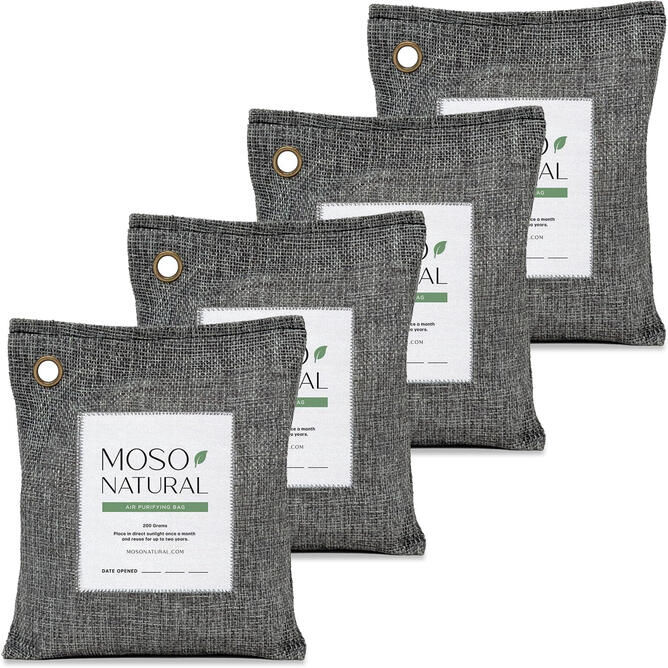
The most common mistake sellers make with home smell is reaching for fragrance before eliminating the odor source. Activated charcoal bags absorb odors naturally without adding any competing scent.Why it matters: A home that smells like strong air freshener tells buyers an odor is being hidden. A home that smells neutral tells buyers the home is clean. Start with absorption, not coverage.
Step 2 — Clean the Washing Machine
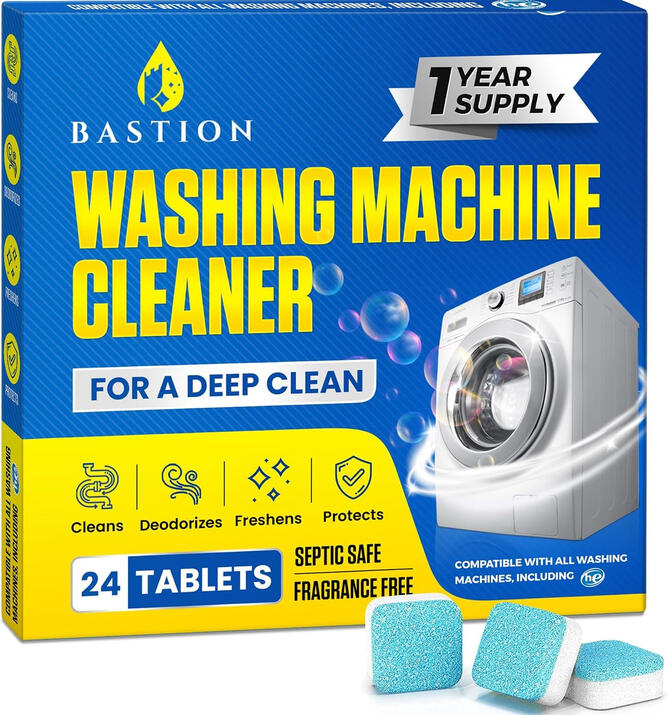
Musty washing machines are one of the most common hidden odor sources in homes — and one of the last places sellers think to check.Why it matters: Buyers who notice an unexplained musty smell during a showing attribute it to the home, not the appliance. A cleaning tablet eliminates this completely and takes 30 seconds to run.
Step 3 — Run an Air Purifier During the Listing Period
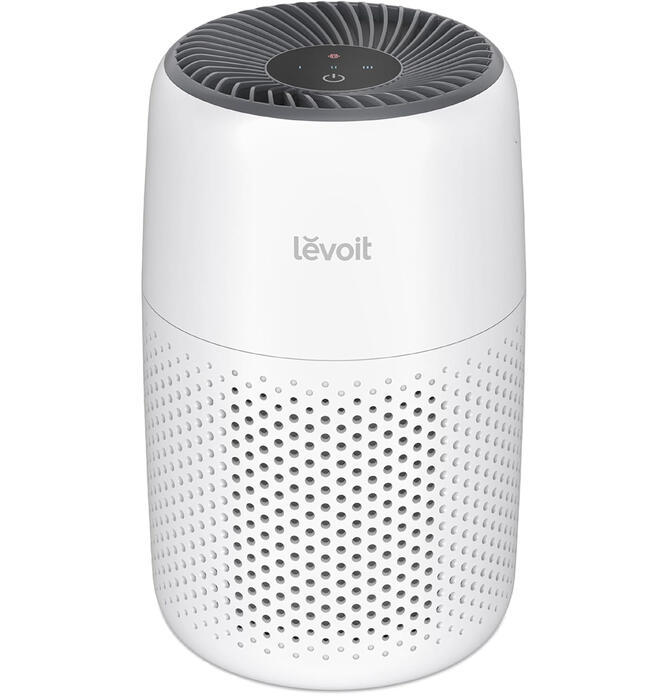
An air purifier running continuously removes odors, pet dander, and stale air that builds up even in well-maintained homes.Why it matters: Buyers visit homes at random times. An air purifier ensures the home smells fresh at 10am and at 4pm — not just right after the seller has cleaned and opened windows.
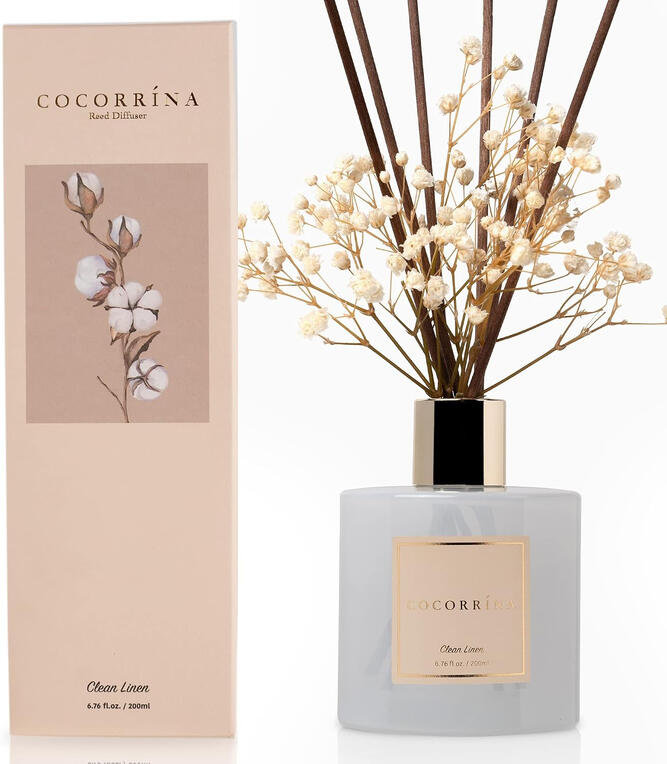
Step 4 — Add a Subtle Reed Diffuser
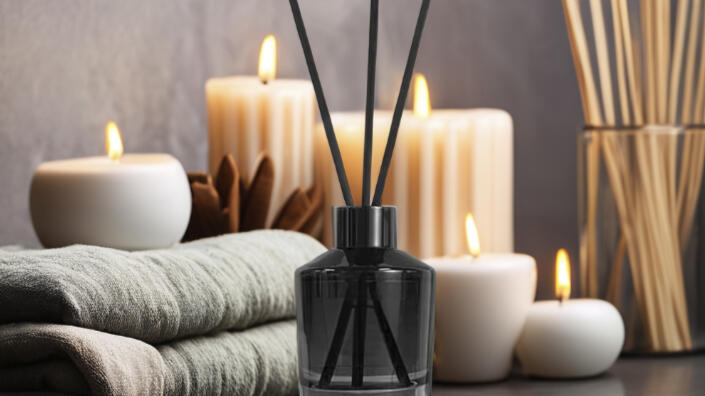
Once odors are addressed, a subtle fragrance makes a home feel intentionally welcoming rather than just neutral. A reed diffuser in a linen or clean cotton scent adds exactly the right amount.Why it matters: Buyers respond positively to a home that smells clean and faintly pleasant. They respond negatively to homes that smell strongly of anything. Subtle is the goal.
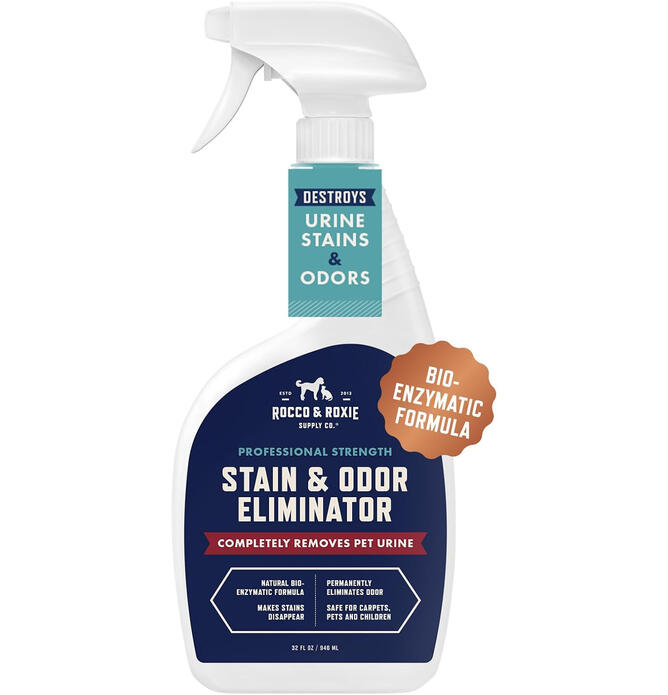
Step 5 — Address Pet Odors Directly
Pet odors are the most common buyer complaint about home smell — and they're the hardest for sellers to detect because they've adapted to them completely.Why it matters: Buyers who smell pet odors mentally add carpet replacement and deep cleaning to the cost of the home. Eliminating the odor removes that mental calculation entirely.
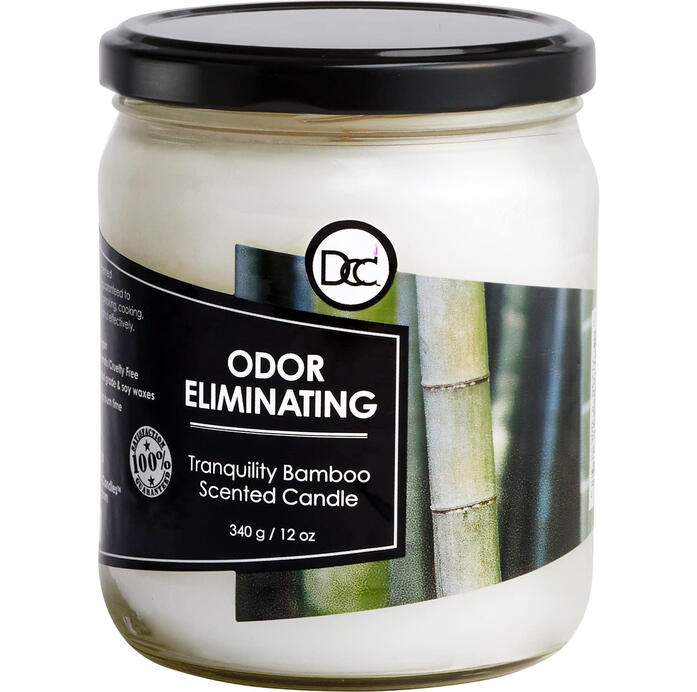
Step 6 — Use a Candle Briefly Before Showings
An odor-eliminating candle burning for 30-60 minutes before a showing adds a subtle, welcoming fragrance that tells buyers a smell is being covered.Why it matters: A home that smells faintly of a clean candle feels more welcoming than one that smells of nothing. But the candle should be out before buyers arrive — scent in the air, not a burning candle.
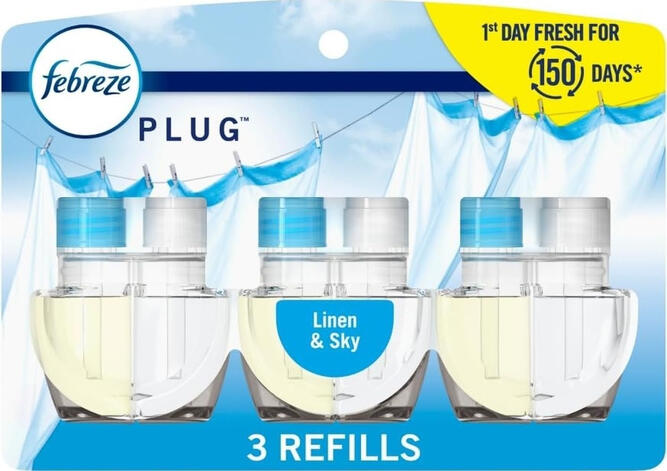
Step 7 — Install a Subtle Plug-In Freshener
For rooms that tend to accumulate stale air — basements, laundry rooms, spare bedrooms — a plug-in freshener in a neutral scent keeps the space smelling consistently clean.Why it matters: Buyers visit every room during a showing. A room that smells stale tells buyers it's been forgotten. A room that smells clean tells buyers the whole home has been maintained.
You May Also Like
• Cheap Fixes Before Listing Photos
• Kitchen Fixes Before Listing Photos
• Bathroom Fixes Before Listing Photos
More Guides for Home Sellers
Before Listing
• Decluttering Guide
• How to Make Your Home Smell Good Before Listing
• Bedroom Staging Tips
• Living Room Staging Tips
• Home Office Staging Tips
• Entryway Staging Tips
• Curb Appeal Ideas
After Selling
• Moving Checklist After Selling
• Deep Clean Before Moving Out
• First Week in Your New Home